
TL;DR
- Shadow AI extends beyond unapproved applications to unmanaged accounts and embedded AI.
- Coding agents, MCP servers, and autonomous agents introduce additional security risks.
- Shadow AI can expose sensitive data and leave gaps in incident investigations.
- Managing shadow AI requires continuous discovery, risk assessment, and governance.
Shadow AI Isn't Just an Unapproved Application Problem
Shadow AI isn't limited to employees using unsanctioned AI applications. It can also involve approved tools accessed through unmanaged personal accounts, AI features embedded in SaaS services that haven't gone through a security review, and AI applications running on employee endpoints without security oversight.
For CISOs, the challenge goes beyond knowing which AI applications are in use and blocking the unapproved ones. Blocking can reduce certain risks, but it doesn't address the full scope of shadow AI.
1. Approved AI Services Can Be Used Through Unmanaged Accounts
Approving an AI service doesn't mean every employee is using it through a company-managed account. Employees may use personal accounts to access a business-approved AI service, potentially exposing sensitive company information outside corporate security controls.
Security teams need to ensure employees access approved AI services through company-managed accounts, where organizational security policies and controls can be enforced.
2. Shadow AI Can Hide Inside Approved SaaS Applications
An application approved six months ago may have different capabilities today. SaaS vendors regularly introduce new AI features that process business information, retrieve records, or interact with connected services. These changes may introduce new data access requirements or processing arrangements that demand another security review.
The underlying AI technology also matters. The Trump administration's decision to restrict DeepSeek highlights this risk. Blocking direct access to DeepSeek doesn't necessarily prevent its use through third-party applications that rely on its models.
An approved vendor isn’t the same as an approved AI capability. Security teams need to understand which AI technologies are used, what data they process, and whether their use complies with organizational policy.
3. Sensitive Data Has More Ways to Escape
AI data leakage is often associated with employees sharing confidential information through public AI tools. But sensitive data can also be exposed through coding agents, embedded AI features, and connected enterprise applications.
Coding agents may access source code, configuration files, and credentials. Embedded AI features may process customer records or financial information. Connected agents may retrieve sensitive data from multiple systems.
Security teams need to detect when sensitive company data is shared with AI applications and enforce policies that prevent unauthorized exposure, whether the AI tool is approved, unapproved, or embedded in an existing enterprise application.
4. AI Activity Doesn't Stop at the Browser
Enterprise AI discovery can’t stop at browser-based applications. Developers, for example, can install coding agents, configure Model Context Protocol (MCP) servers, and connect AI tools to repositories, development environments, and business systems.
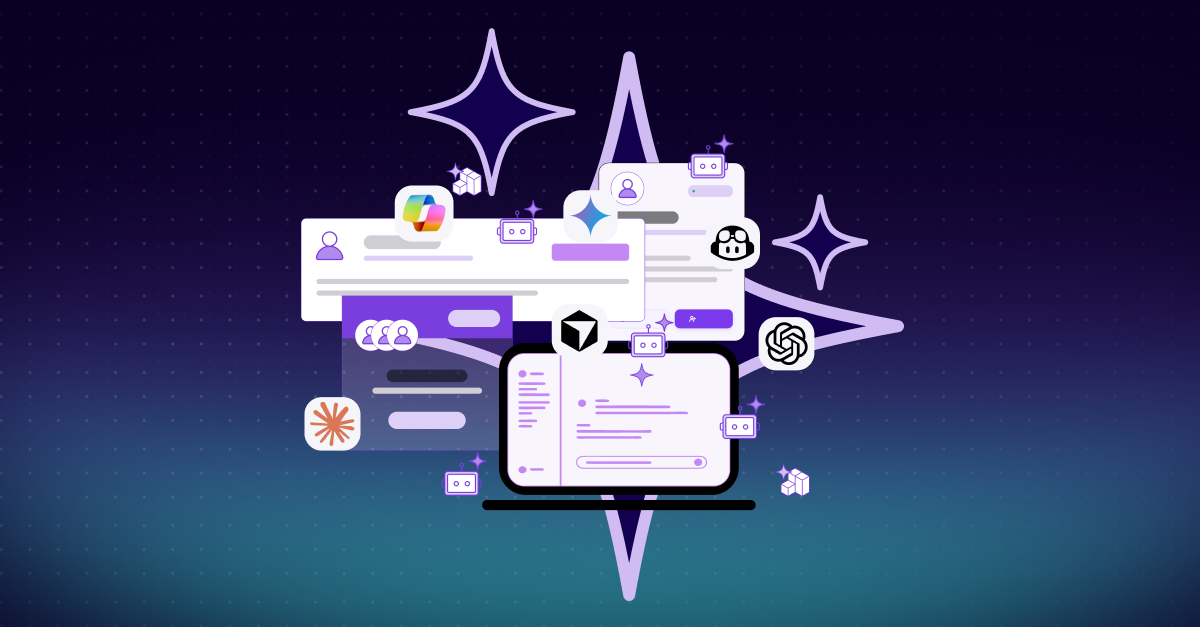
Security teams need a complete, continuously updated AI inventory that covers the entire enterprise AI ecosystem. This includes public GenAI tools, embedded SaaS AI features, homegrown AI applications, coding assistants, MCP servers, AI skills, autonomous agents, and AI tools running on employee endpoints.
Without this visibility, shadow AI may go undetected, leaving organizations without a reliable way to assess AI usage and associated risks.
5. Unmanaged AI Agents Introduce Risks Beyond Data Exposure
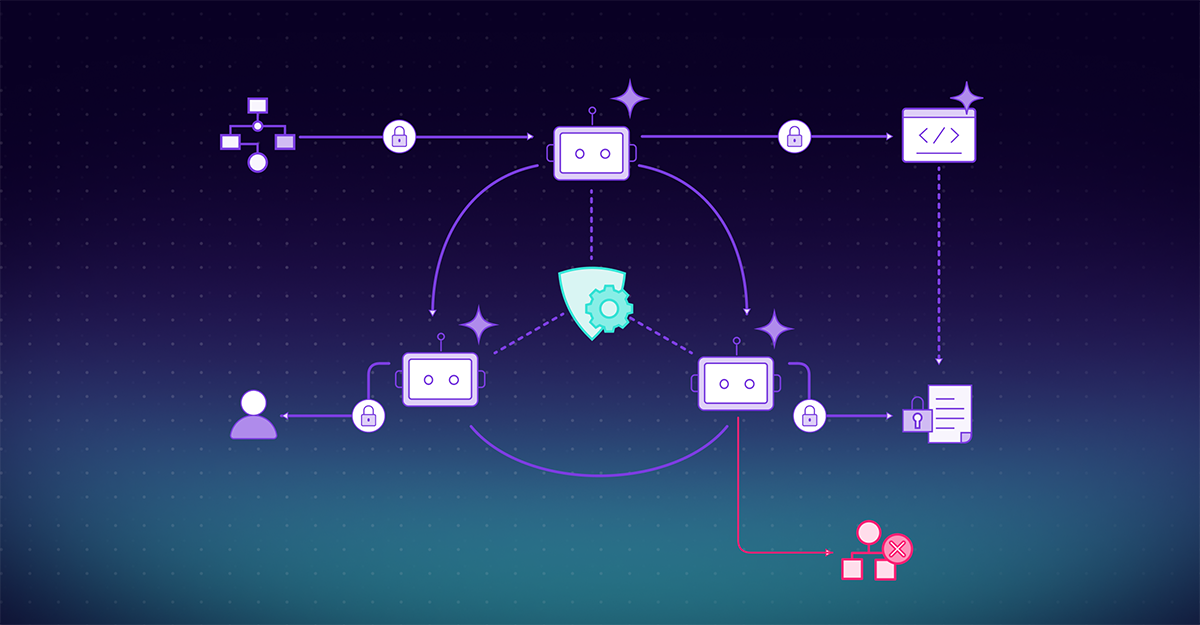
Employees may deploy AI agents and connect them to enterprise systems without security approval. These agents can access sensitive information, modify records, execute code, or initiate business operations.
Without security oversight, organizations may not know which agents are operating, what permissions they have, or whether their actions comply with company policies.
This makes unmanaged AI agents particularly difficult to secure. Security teams need to discover these agents, assess the risks associated with their capabilities, monitor their activity, and enforce policies to prevent unauthorized actions.
6. Shadow AI Can Leave Security Teams Without an Audit Trail
When AI activity happens outside security oversight, organizations may lack the records needed to investigate incidents, determine what data was exposed, and establish which actions were taken.
Knowing that an employee accessed an AI service doesn't establish what information they shared. For AI agents, investigators also need activity logs to reconstruct the sequence of actions across connected systems. Without these records, the scope of an incident may remain unclear.
7. An AI Inventory Alone Isn't Enough
Identifying unapproved AI applications, unmanaged accounts, and other shadow AI activity is only the first step. Once shadow AI is discovered, security teams need to assess the risks, determine which activities should be allowed, restricted, or blocked, and enforce the appropriate policies.
An AI inventory can expose shadow AI, but it can’t prevent sensitive data exposure or unauthorized actions on its own. Security teams also need continuous monitoring, governance, and real-time enforcement to control the risks associated with AI usage. Shadow AI is a moving target.
FAQ
Yes. Employees may access approved AI services through unmanaged personal accounts, potentially exposing sensitive company data. Security teams need to ensure employees use company-managed accounts where security policies can be enforced.
SaaS vendors may introduce new AI features after an application has been approved. These features may process business information, access records, or connect to other services without undergoing a security review. Security teams also need to understand which underlying AI technologies these applications use.
Sensitive data may be exposed through public AI tools, coding agents, embedded AI features, and connected enterprise applications. This can include source code, credentials, customer records, and financial information.
Developers may install coding agents, configure Model Context Protocol (MCP) servers, and connect AI tools to enterprise systems without security oversight. Discovering AI activity on employee endpoints is essential for maintaining a complete enterprise AI inventory.
Unmanaged AI agents can access sensitive information, modify records, execute code, or initiate business operations without security approval. Organizations may lack visibility into which agents are operating, their permissions, and whether their actions comply with company policies.
An AI inventory identifies shadow AI activity but can’t prevent sensitive data exposure or unauthorized actions on its own. Security teams also need risk assessment, continuous monitoring, governance, and real-time enforcement to determine which activities should be allowed, restricted, or blocked.